
Prices, availability and refund terms can change. Verify them on the official page.
Quick answer
Phytomem One review: Phytomem One is a once-daily dietary supplement marketed for memory, focus and cognitive wellness. Its current sales page lists ten botanical and metabolic ingredients, but we found no published clinical trial of the finished formula and the page does not disclose each ingredient’s dose. Some individual ingredients—especially saffron—have limited human research, but that cannot prove the complete product works as advertised.
Memory lapses and brain fog can feel worrying, which makes bold supplement promises especially persuasive. Phytomem One is promoted around a “dual-defense” story involving microplastics and impaired glucose use in the brain. The underlying research questions are real, but the seller’s marketing goes further than the available product-specific evidence.
This review separates four different issues: what the bottle is marketed to contain, what research on individual ingredients can and cannot show, the actual bundle prices, and the safety questions to discuss before buying.
Phytomem One at a glance
| Product | Phytomem One |
|---|---|
| Product type | Dietary supplement for cognitive wellness |
| Form and serving | Tablet; seller directs adults to take one daily with food |
| Ingredients marketed | Saffron, fucoxanthin, fucoidan, olive leaf, berberine, Ceylon cinnamon, banaba-derived corosolic acid, kudzu flower, Morosil red-orange extract and xylitol |
| Finished-product trial | We found no peer-reviewed human clinical trial of Phytomem One |
| Current packages | 2, 3 or 6 bottles; confirm all prices and shipping at checkout |
| Refund period | 60 days according to the official sales page; conditions apply |
| Retailer | ClickBank |
What is Phytomem One?
Phytomem One is a nutritional supplement sold through an online direct-response funnel. It is not a prescription treatment, a diagnostic test or a proven therapy for dementia. The seller describes it as a ten-ingredient formula intended to support memory, clarity and metabolic health.
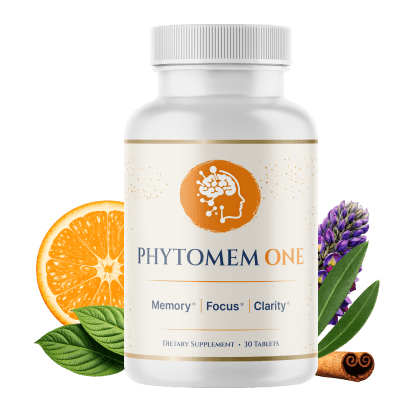
The sales page divides its ingredients into three marketing groups: a “stranglehold defense” group, a “brain fuel restoration” group and a “neural amplifier” group. Those names are marketing language, not recognized medical categories.
Ingredients: what the evidence actually says
Saffron extract
Saffron is the ingredient with the most directly relevant human cognitive research. A systematic review of randomized trials reported potential cognitive benefits in people with mild cognitive impairment or Alzheimer’s disease. However, the trials were small, used specific saffron preparations and doses, and do not establish that Phytomem One produces the same results.
Berberine, cinnamon and banaba
These ingredients are usually studied for blood-sugar or metabolic outcomes rather than as direct memory treatments. Berberine can cause gastrointestinal side effects and may interact with medicines through drug-metabolizing enzymes. Cinnamon and banaba may also affect blood glucose, so combining them with diabetes medication deserves professional review.
Fucoxanthin and fucoidan
Fucoxanthin and fucoidan are compounds derived from seaweed. Much of the cognitive or neuroprotective evidence comes from cells or animals. Early research can identify a mechanism worth studying, but it cannot predict a meaningful memory benefit in people taking the finished supplement.
Olive leaf, kudzu flower and Morosil
These botanicals have been studied for antioxidant, metabolic or inflammatory markers. That is not the same as demonstrating improved memory, prevention of cognitive decline or removal of microplastics from the human brain.
Xylitol
Xylitol is a sugar alcohol commonly used as a sweetener. It should not be interpreted as established “brain fuel.” It can cause digestive upset in some people, and it is extremely toxic to dogs, so the product should be stored securely away from pets.
The biggest evidence gaps
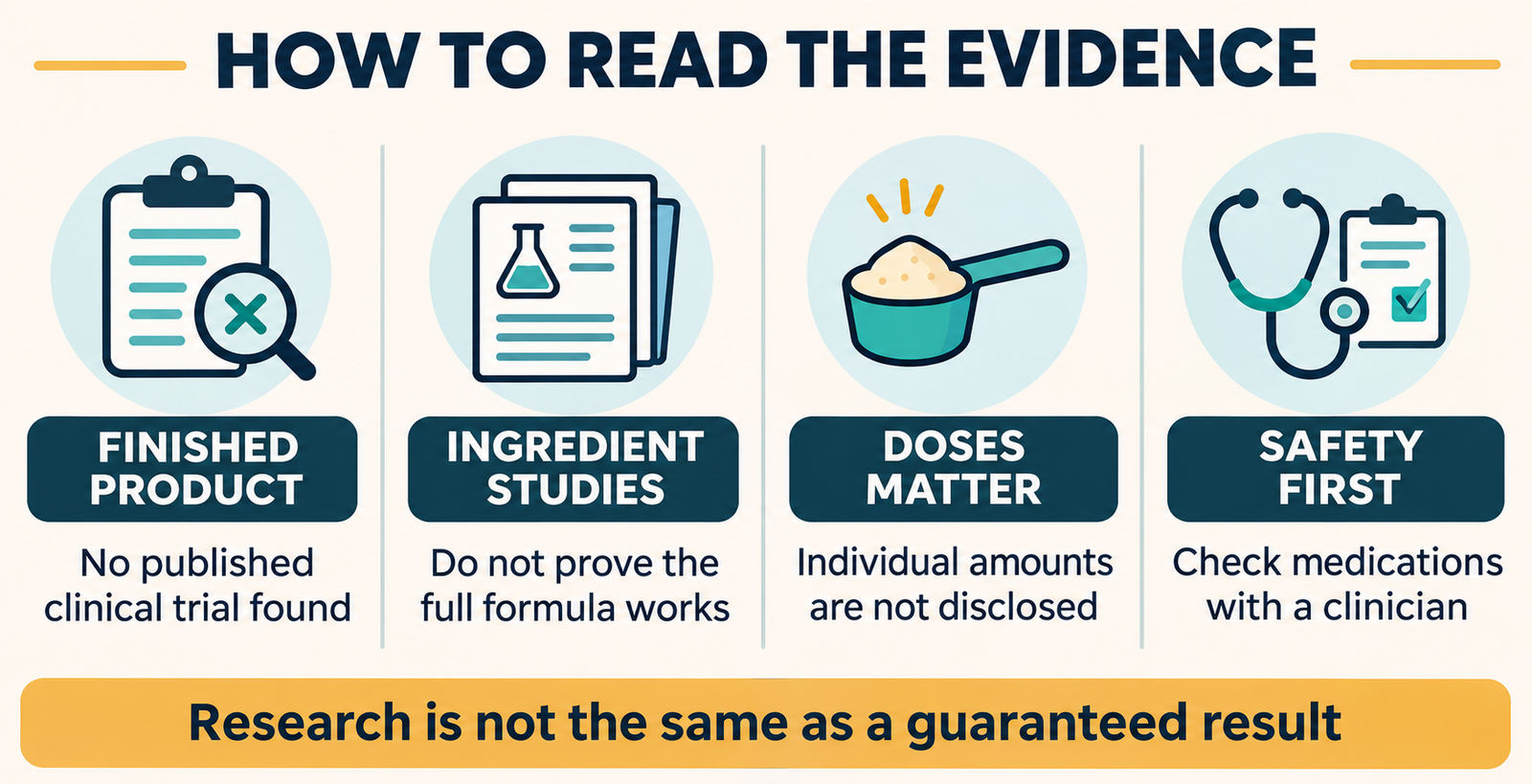
- No finished-product study: research on separate ingredients does not test the complete Phytomem One formula.
- No individual doses on the sales page: without amounts, readers cannot compare the formula with doses used in trials.
- No proof of microplastic removal: researchers have detected microplastics in human brain tissue, but that does not show this supplement clears them or improves outcomes.
- No proof of preventing dementia: a dietary supplement should not be presented as diagnosing, treating or preventing Alzheimer’s disease or another form of dementia.
- Testimonials are not controlled evidence: personal stories cannot separate treatment effects from expectation, natural variation or other changes.
Microplastics and the “toxic brain shards” claim
A 2025 Nature Medicine study detected micro- and nanoplastics in post-mortem human tissues, including brain samples. The authors emphasized that important questions about human exposure, dose and health consequences remain unresolved. Later research has continued to investigate the presence of particles in living human brain tissue.
That emerging science does not validate the seller’s “plastic stranglehold” mechanism or prove that any Phytomem One ingredient removes plastic particles from the brain. Presence, cause, treatment and clinical outcome are separate questions. A responsible review should not convert an observational finding into a product benefit.
Phytomem One price: 2, 3 and 6 bottles
| Package | Advertised price per bottle | Advertised subtotal | Shipping shown |
|---|---|---|---|
| 2 bottles | $79 | $158 | Small shipping fee |
| 3 bottles | $69 | $207 | Free U.S. shipping |
| 6 bottles | $49 | $294 | Free U.S. shipping |
These were the prices displayed when we checked the official page on November 14, 2026. Offers can change. The ClickBank checkout total—including shipping, tax, selected quantity and any optional upsell—is the authoritative amount. Review every line before submitting payment.
The six-bottle package has the lowest advertised cost per bottle, but it also requires the largest upfront payment. A lower unit price is not automatically better value when the product’s effectiveness for an individual is uncertain.
60-day refund policy
The official page advertises a 60-day money-back guarantee. Save the ClickBank receipt, order number and the exact terms shown at checkout. Refund eligibility does not guarantee reimbursement of every shipping charge, and a guarantee should not be treated as evidence that the product works.
Possible side effects and interactions
“Natural” does not mean risk-free. Possible concerns based on the listed ingredients include nausea, diarrhea, constipation or abdominal discomfort from berberine; digestive effects from xylitol; allergy to botanical or seaweed ingredients; and changes in blood sugar.
Ask a clinician or pharmacist before use if you take medicine for diabetes, blood pressure, cholesterol, blood thinning or mood; use multiple supplements; have liver or kidney disease; are pregnant or breastfeeding; or are preparing for surgery. Seek medical evaluation for new, worsening or disruptive memory problems rather than trying to self-treat them with a supplement.
Who might consider it—and who should skip it?
A well-informed adult may consider Phytomem One only as an optional supplement after reviewing the full label and medications with a qualified professional. Expectations should be modest: individual ingredient research is not proof of a noticeable result.
Skip it if you expect it to treat dementia, remove microplastics, replace prescribed care or produce guaranteed memory improvement. It is also a poor fit for anyone who cannot verify the formula, has a relevant medication interaction or is uncomfortable with undisclosed ingredient amounts.
Phytomem One versus common alternatives
| Option | Main advantage | Main limitation |
|---|---|---|
| Phytomem One | Convenient multi-ingredient tablet | No finished-product trial and unclear individual doses |
| Single-ingredient saffron | Easier to compare dose with research | Evidence remains limited and product quality varies |
| Sleep, exercise and blood-pressure care | Broad evidence for brain and general health | Requires consistent habits and medical follow-up |
| Clinical assessment | Can investigate reversible causes of memory symptoms | Requires access to a qualified professional |
If you are comparing audio-based self-help programs rather than supplements, read our independent Genius Switch review. The products are very different, but the same rule applies: distinguish a plausible idea from proof that a specific commercial product delivers the promised result.
Considering Phytomem One?
Confirm the current label, total checkout price and refund terms. Discuss the ingredients with a clinician or pharmacist if you use medication or have memory symptoms.
Frequently asked questions
Does Phytomem One really work?
There is not enough product-specific evidence to say. Some individual ingredients have preliminary research, but we found no published human clinical trial of the complete Phytomem One formula.
Can Phytomem One remove microplastics from the brain?
No clinical evidence we found demonstrates that Phytomem One removes microplastics from human brain tissue. Research detecting particles does not prove the seller’s proposed treatment mechanism.
What are the Phytomem One ingredients?
The official page lists saffron, fucoxanthin, fucoidan, olive leaf, berberine, Ceylon cinnamon, banaba-derived corosolic acid, kudzu flower, Morosil red-orange extract and xylitol. Verify the current Supplement Facts panel before buying.
How much does Phytomem One cost?
When checked, the seller displayed two bottles for $158, three for $207 and six for $294 before any applicable shipping or tax. Confirm the current checkout total because pricing can change.
Is Phytomem One FDA approved?
Dietary supplements are not FDA-approved for effectiveness before sale in the same way as prescription drugs. The seller’s page also states that the claims have not been evaluated by the FDA.
What is the refund period?
The seller advertises a 60-day money-back guarantee through ClickBank. Keep your receipt and read the transaction-specific conditions.
Final verdict
Phytomem One is a professionally marketed ten-ingredient supplement with an appealing memory-support story and a clearly displayed bundle structure. Its main weakness is not the absence of interesting ingredients; it is the gap between research on isolated compounds and the strong claims made for the finished formula.
Saffron has limited human cognitive research, while several other ingredients are more closely associated with metabolic or laboratory studies. Without a published trial of the complete product and transparent individual amounts, buyers cannot reliably predict benefit. Treat Phytomem One as an optional supplement—not a dementia treatment, microplastic-clearing therapy or substitute for medical evaluation.
Sources and further reading
- Nature Medicine: Bioaccumulation of microplastics in decedent human brains
- PubMed: Systematic review of saffron and cognitive function
- NIH/NCBI: Natural products for type 2 diabetes and berberine interaction concerns
- FDA: Dietary supplements—what consumers should know
- Official Phytomem One product and pricing page